
If you’re shopping for a new outboard engine, one of the biggest decisions you’ll face is this classic question: 2-stroke or 4-stroke? It’s a choice that’s been debated by boaters for years, and for good reason—it directly affects your boating experience, maintenance routine, and even your wallet.
At Yamaha7man.com, we know how important this decision is. Whether you’re an experienced captain, a weekend warrior, or just starting out with your first boat, we’re here to help you make the right call for your needs.
In this article, we’ll break down the real-world pros and cons of 2-stroke vs. 4-stroke outboard engines, so you can decide which one is the better fit for your boat—and your lifestyle.
🧠 What’s the Main Difference Between 2-Stroke and 4-Stroke Outboards?
Let’s start with the basics. The difference between a 2-stroke and a 4-stroke outboard engine comes down to how the internal combustion cycle works.
- A 2-stroke engine completes a power cycle in just two movements of the piston—up and down.
- A 4-stroke engine, as the name suggests, takes four strokes to complete the same process: intake, compression, combustion, and exhaust.
Now, that might sound overly technical, but here’s what it really means for you out on the water: 2-strokes are generally lighter, quicker off the mark, and simpler in design, while 4-strokes are more fuel-efficient, cleaner-running, and quieter.
Let’s explore both in more depth.
⚡️ Why Some Boaters Still Love 2-Stroke Outboards
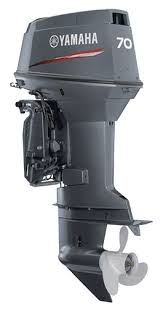
Although most new outboards today are 4-stroke, there’s still a loyal following for 2-stroke engines—and it’s easy to see why.
✅ Benefits of 2-Stroke Outboard Engines:
- Lighter Weight: 2-strokes typically weigh less, which can mean better speed and handling for small boats.
- More Power Per Pound: Because they fire every revolution of the crankshaft, they can produce more torque for their size.
- Quick Acceleration: Ideal for situations where you need a fast response—like towing or dodging shallow rocks.
- Simple Mechanics: Fewer moving parts make them easier to work on yourself (especially for older models).
- Lower Initial Cost: If you’re on a budget, used 2-stroke engines are often more affordable upfront.
❌ Downsides of 2-Strokes:
- More Emissions: Older 2-strokes burn oil and gas together, leading to smoke and pollution.
- Less Fuel Efficiency: You’ll burn through more gas compared to a 4-stroke.
- Noisier Operation: They’re usually louder, especially at high speeds.
- Oil Mixing: You need to mix fuel and oil, unless you have an oil-injection system.
🌿 Why 4-Stroke Outboards Are the Modern Standard
In recent years, 4-stroke engines have taken over the market—and for good reason. Yamaha, in particular, has perfected the 4-stroke design with a wide range of engines known for their reliability and efficiency.
✅ Benefits of 4-Stroke Outboard Engines:
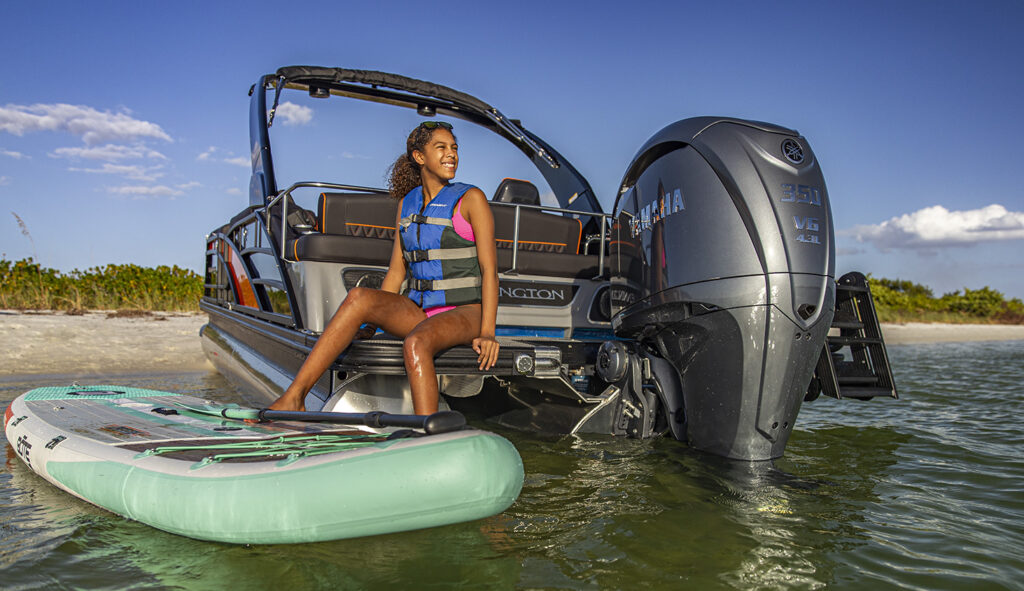
- Better Fuel Economy: You’ll save money at the pump over time.
- Cleaner for the Environment: Lower emissions make 4-strokes a more eco-friendly option.
- Quieter Running: You can enjoy the sound of the waves—not your motor.
- No Oil Mixing: Just fill up with gas and go.
- Smoother Power Delivery: Great for cruising and longer journeys.
- Longer Lifespan: Built to last, with less wear and tear over time.
❌ Things to Consider:
- Heavier Weight: They can be bulkier, which matters if your boat is weight-sensitive.
- Higher Initial Cost: The upfront investment is more, but it’s often offset by lower fuel and maintenance costs.
- More Complex Maintenance: More moving parts mean more careful servicing—though Yamaha engines are famously user-friendly.
🧭 So, Which Engine Is Right for You?
The truth is, there’s no one-size-fits-all answer. It all depends on how you use your boat, where you boat, and what matters most to you.
👉 Choose a 2-Stroke Engine if:
- You want lightweight, raw power.
- You mostly take short trips or fish close to shore.
- You’re looking for a more affordable option (especially in the used market).
- You’re comfortable with a bit of DIY maintenance.
👉 Choose a 4-Stroke Engine if:
- You value fuel efficiency and long-term savings.
- You want a quieter, cleaner ride.
- You often go on longer or offshore trips.
- You’re investing in a newer engine with better tech and durability.
🛠️ Real Talk from Yamaha7man.com
We’ve helped hundreds of boaters find the perfect outboard engine, and here’s what we’ve learned: most modern boaters prefer 4-stroke engines for their quiet performance, fuel savings, and overall ease of use.
That’s why Yamaha’s 4-stroke line is our top recommendation for most customers. Whether you’re looking at the legendary F150, the fuel-efficient F20, or something in between, Yamaha builds engines that deliver real-world results.
Need help deciding? We offer personalized engine consultations—just drop us an email at contact@Yamaha7man.com or use the contact form on our site. We’ll guide you through your options, no pressure, just facts.
🌍 Bonus: We Ship Worldwide
Whether you’re in the U.S., Africa, Europe, or the Caribbean—we can deliver a brand new Yamaha outboard right to your dock. Our team handles packaging, customs, and tracking, so your engine arrives safely and fast.
✅ Conclusion: 2-Stroke vs. 4-Stroke? You Decide.
At the end of the day, the 2-stroke vs. 4-stroke debate is about your priorities: speed or efficiency, simplicity or technology, upfront savings or long-term value.
Whatever you choose, you can count on Yamaha quality and Yamaha7man service to keep you moving on the water.
Still unsure which engine is best for you? Don’t worry—we’re here to help. Contact us today and let’s talk boats, engines, and the open sea.
- :
2-Stroke vs. 4-Stroke Outboard Engines
.